Iran · Military doctrine
'No geographical limits': Mojtaba Khamenei orders Iran's forces to hit back anywhere if the US strikes again
In his first reported meeting with top generals, Iran's supreme leader ordered a new target list as Washington weighs strikes after the midterms.
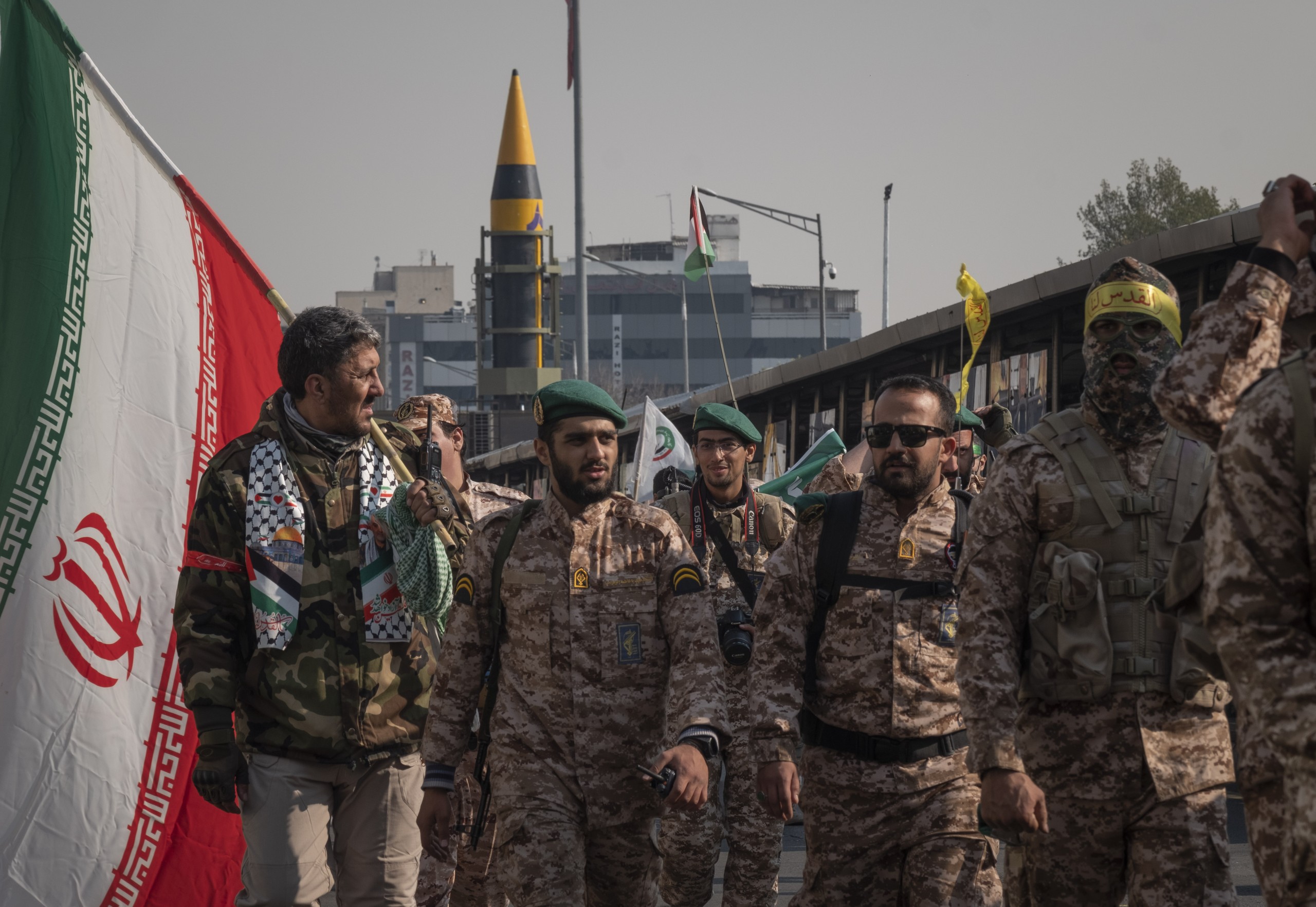
Iran's Supreme Leader Mojtaba Khamenei has told his armed forces that any new attack by the United States or Israel must be answered at once and without geographical limits. The order, issued on 31 October, comes days before the US midterm elections, after which Gulf states fear Washington could resume strikes. For India, which depends on Gulf energy and the Strait of Hormuz, it raises the stakes of a second round of war.
"Any level or type of threat must be met with an immediate, impactful and geographically unrestricted response," Khamenei said, according to a statement from his office posted on his official Telegram channel.
A first meeting with the top brass
It was the first reported meeting between Khamenei and Iran's military chiefs since he took over in March. His father, Ayatollah Ali Khamenei, was killed in the US-Israeli strikes of 28 February. The younger Khamenei has not been seen in public since he took power.
He met the country's three most senior commanders:
- Major General Ali Abdollahi, chief of staff of the armed forces
- Major General Amir Hatami, commander of the army
- Major General Ahmad Vahidi, commander of the Islamic Revolutionary Guard Corps (IRGC)
What he ordered
Khamenei called "intelligent combat readiness" a prerequisite for "maximum deterrence". If Iran's enemies resume military or terrorist attacks, he said, it will be Iran's armed forces and people who decide when and on what terms the fighting ends.
He told the commanders to update Iran's target list to cover "all types of tangible and intangible assets belonging to the American-Zionist enemy". He also asked them to strengthen military intelligence, deepen home-grown defence doctrine and tactics, and build modern capabilities using new technology.
The generals briefed him on readiness along the Persian Gulf coast, in the Strait of Hormuz and the Sea of Oman, and on Iran's north-western and south-eastern borders. They also reported a several-fold increase in the production of ammunition and of reconnaissance, support and combat weapons.
Hours later, Major General Abdollahi said in a message to the nation that the armed forces had put a "new bank of enemy targets" on their agenda. Any renewed attack, he warned, would meet "a new approach beyond their imagination" and a response harsher than in the last war.
Washington weighs its options
The warning lands as the US weighs its next move. US officials have told several Gulf countries to prepare for a brief but intense military campaign against Iran after Tuesday's midterm elections, according to a report in The Wall Street Journal.
US Secretary of State Marco Rubio said on Saturday that President Donald Trump "hasn't made a decision" on fresh strikes. "We can achieve military objectives if we seek to," he said, adding that "if there is a diplomatic solution, we would be open to it".
Diplomacy, still alive
Talks continue in parallel. Iranian negotiators met Qatari mediators in Doha on Saturday, and US Vice President JD Vance has written to Iran's security chief, Mohsen Rezaei. Foreign Minister Abbas Araghchi said Tehran had studied the letter but saw "no need to meet with the Americans at present". He said the Qatari talks had cut the time frame in Iran's proposal for reopening the Strait of Hormuz from five days to two.
Regional governments are alarmed. A June interim agreement failed to deliver a lasting ceasefire. "The second round will be more dangerous, more destructive, and it will lead to nowhere," Egypt's Foreign Minister Badr Abdelatty said at the Manama Dialogue in Bahrain.
Why it matters to India
The Strait of Hormuz normally carries about a fifth of the world's oil consumption, and Iran's blockade has already pushed up energy prices. The strait remains dangerous: on Saturday, Iran's navy said a tanker caught fire after hitting mines in a prohibited area east of it.
A renewed war fought "without geographical limits" would put Gulf shipping, energy installations and the region's large Indian workforce in the line of fire. India imports most of its crude, and a second round would hit its fuel bill and its trade routes long before any ceasefire is negotiated. The coming week, from the US vote to the talks in Doha, will show whether diplomacy can get ahead of the target lists.